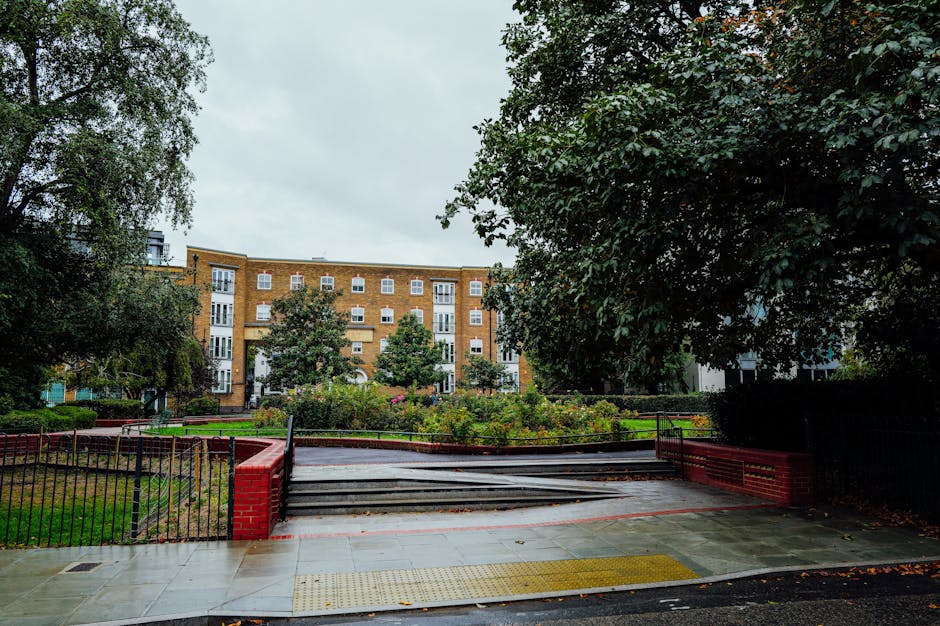
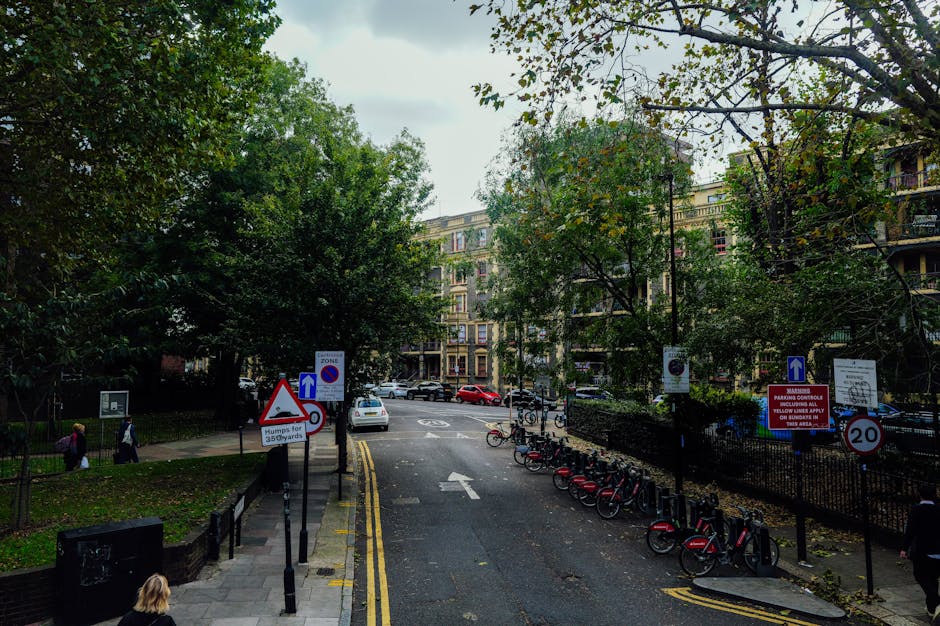
Chalton Street flats garden maintenance specialists Euston
If you live in or manage flats near Chalton Street, you already know the difference a tidy shared garden can make. It is not just about looking neat for five minutes on a sunny afternoon. It is about making a small outdoor space feel usable, calm, and cared for all year round. Chalton Street flats garden maintenance specialists Euston understand the odd mix of constraints that comes with communal London gardens: limited access, heavy footfall, awkward planting beds, and the constant battle against weeds, shade, and sudden growth after rain. In other words, the kind of garden that looks fine one week and a bit neglected the next.
This guide explains what specialist flat-garden maintenance actually involves, why it matters for residents and landlords, and how to judge whether a service is right for your building. It also covers practical steps, common mistakes, compliance concerns, and the sort of detail that makes the difference between a patchy tidy-up and a genuinely well-kept outdoor space.
Table of Contents
- Why Chalton Street flats garden maintenance specialists Euston Matters
- How Chalton Street flats garden maintenance specialists Euston Works
- Key Benefits and Practical Advantages
- Who This Is For and When It Makes Sense
- Step-by-Step Guidance
- Expert Tips for Better Results
- Common Mistakes to Avoid
- Tools, Resources and Recommendations
- Law, Compliance, Standards, or Best Practice
- Options, Methods, or Comparison Table
- Case Study or Real-World Example
- Practical Checklist
- Conclusion
- Frequently Asked Questions
Why Chalton Street flats garden maintenance specialists Euston Matters
Flat developments have different needs from a standard private garden. A single overgrown shrub can block a walkway. One missed mow can make a whole courtyard feel scruffy. And in a shared setting, small issues tend to multiply. Leaves gather in corners. Drainage gets sluggish. Bins get moved around the planting beds. Someone's bike ends up leaning against the hedge. You know the scene.
That is why specialist maintenance matters. A team that works on communal gardens understands that the goal is not just visual tidiness. It is about keeping the space functional, safe, and easy to look after. Near Chalton Street and around Euston, gardens are often compact, shaded by neighbouring buildings, and exposed to daily wear from residents, cleaners, visitors, and deliveries. The work has to be thoughtful, not just brisk.
There is also the presentation side. Shared outdoor space affects how a building feels when someone arrives, whether that is a tenant, a buyer, a visitor, or a managing agent doing a routine walk-through. A well-maintained garden sends a quiet message: this property is looked after. That matters more than people sometimes admit.
Expert summary: In flat developments, garden maintenance is really property care in outdoor form. The best results come from regular, measured work rather than occasional heavy clearances.
To be fair, many buildings do not need dramatic landscaping. They need consistency. A little edging here, selective pruning there, regular litter removal, lawn care, and a watchful eye on how the space is being used. That steady rhythm is what keeps a communal garden from sliding into that slightly sad, half-loved look that catches up with so many urban courtyards.
How Chalton Street flats garden maintenance specialists Euston Works
Specialist maintenance usually begins with a site assessment. The team will look at access points, the size and layout of the garden, the condition of plants, lawn areas if there are any, hard surfaces, boundary lines, and anything that may affect safe working. In flats, the path matters as much as the planting. Can tools be brought in easily? Is there a locked gate? Are residents likely to need access while work is happening? These practical questions shape the plan.
After that, maintenance is typically organised as a routine service. Depending on the site, that may include mowing, hedge trimming, pruning, deadheading, weed control, leaf clearance, light planting, bed edging, and keeping communal areas tidy. Some sites also need seasonal work such as spring refreshes or autumn leaf management. In a tight urban setting, those seasonal shifts can be very noticeable. One windy week and the garden suddenly looks like it has been through a small storm. Happens all the time.
For multi-occupancy buildings, the work is often coordinated with property managers or resident groups. Good communication helps avoid nuisance and confusion. For example, residents may need notice before hedge trimming if access is restricted, or before more disruptive work such as hard cut-backs or garden clearance. A decent specialist will keep the process simple, clear, and calm.
Some providers offer a broader package that includes related services such as garden maintenance, lawn mowing, and hedge trimming. That can be useful where the space needs regular attention rather than a one-off tidy.
In practice, the work tends to be a mix of planned tasks and responsive fixes. A bed starts to look tired, so it gets refreshed. A hedge begins to encroach on a path, so it is cut back. Moss builds up in shady areas, so it is assessed and managed. Nothing too flashy. Just steady, sensible upkeep.
Key Benefits and Practical Advantages
The biggest benefit is obvious enough: a better-looking garden. But the practical gains go beyond appearance.
- Cleaner shared spaces: Regular maintenance reduces litter traps, leaf build-up, and the scruffy corners that make a place feel neglected.
- Better safety: Clear paths, trimmed growth, and managed edges reduce trip hazards and obstruction.
- Longer-lasting planting: Plants that are pruned and monitored properly tend to stay healthier and more structured.
- Less resident conflict: When gardens are maintained consistently, there are fewer complaints about mess, overgrowth, or blocked access.
- Improved kerb appeal: Even a modest courtyard can raise the tone of a building when it is looked after.
- More predictable costs: Regular care often prevents the need for bigger, more expensive recovery work later on.
There is also a human benefit that gets overlooked. Residents use shared gardens differently from private ones. Someone may want a quiet seat with a coffee in the morning. Another person just wants a clear route to the bins. A family may need enough open space for a child to play safely for five minutes before school. When the area is maintained well, all of that becomes easier.
And yes, there is pride involved. Let's face it, nobody likes walking past a courtyard that looks forgotten. A tidy outdoor space gives people a small lift. Nothing dramatic. Just a slightly better start to the day.
Who This Is For and When It Makes Sense
This kind of service is a good fit for a few different people and property types.
Block and estate managers
If you manage a block of flats, the garden is part of the property's overall standard. Regular maintenance is sensible where residents expect a presentable shared outdoor area and where different people use the same space.
Landlords and freeholders
If you own the building, maintenance helps protect the condition and reputation of the property. Overgrown or neglected outdoor space can create a poor impression very quickly. In a rental market, first impressions are not a small thing.
Residents' associations
For buildings where maintenance decisions are made collectively, a specialist can help take the guesswork out of the job. Instead of debating whether the hedge needs cutting again, you can agree on a sensible schedule.
Housing providers and caretaking teams
Some organisations need support with larger communal areas or with specialist tasks that in-house staff may not have the time or equipment for. A dedicated garden service can fill that gap neatly.
When it makes sense to act
It usually makes sense when:
- the garden is shared by multiple households;
- the space is small but visible, so neglect shows quickly;
- residents are complaining about mess, weeds, or access problems;
- the existing routine is irregular or reactive;
- plants are becoming overgrown or out of shape;
- the courtyard needs seasonal cleaning and planting support.
If you are wondering whether your building is "too small" to need specialist help, the answer is often no. Tiny spaces can be the hardest to keep looking good. A compact garden in Euston can go from tidy to tangled in a matter of weeks if nobody is watching it.
Step-by-Step Guidance
If you are arranging maintenance for Chalton Street flats or a similar Euston property, a simple step-by-step process helps keep things on track.
- Assess the space properly. Walk the garden in daylight and note the obvious issues: weeds, moss, leaf build-up, damaged planting, poor drainage, broken edging, or access problems. Do not just glance at it from a window.
- Define what "good" looks like. For one building, that may mean a crisp, minimal courtyard. For another, it might mean a greener, softer look with seasonal flowers. The aim should match the building and the residents.
- Set a realistic schedule. A once-a-quarter visit may be enough for some planting areas, but lawns, hedges, and high-use communal gardens usually need more frequent attention.
- Separate routine work from bigger jobs. Mowing and weeding are routine. Tree work, major clearance, or replanting is usually a planned project. Keeping those distinct helps with budgeting and timing.
- Clarify access and communication. Residents need to know when work will happen, what areas will be affected, and whether anything needs to be moved beforehand.
- Review after the first visit. Check whether the result matches expectations. Was the hedge cut too hard? Was the bin store left tidy? Was waste removed properly? Small details matter.
- Adjust the plan seasonally. A garden in spring needs different attention from one in late autumn. Shade, rain, and leaf drop change the workload. Obvious, yes, but easily forgotten.
A useful habit is to take a few photographs before the first service and after each major visit. Not for glamour. Just to track what is working. It is surprisingly easy to forget what the space looked like a month ago, especially in winter when everything feels a bit grey and London-like.
Expert Tips for Better Results
Over time, the best-looking communal gardens usually follow the same principles. Nothing fancy. Just disciplined basics.
- Prioritise structure. In small urban gardens, structure matters more than abundance. Clean lines, well-kept edges, and controlled growth make the whole area feel more intentional.
- Work with shade, not against it. Many Euston courtyards are shaded for much of the day. Choose plants and maintenance routines that suit lower light rather than fighting it with high-maintenance choices.
- Keep access in mind. If residents need to pass through the area, paths and doorways should always stay clear. It sounds obvious, but in real life it gets missed.
- Use smaller, more frequent interventions. Regular light maintenance is usually better than waiting for a major tidy-up. The garden stays calmer, and costs often stay more predictable.
- Balance tidiness with softness. A courtyard should not feel over-clipped or sterile unless that is the design aim. A little texture helps the space feel welcoming.
- Think about waste removal. Cuttings, leaves, and debris should not linger. They make a clean garden look half-done, and nobody wants that.
One practical tip that gets overlooked: agree in advance how you want "finished" to look. Some clients want every bed sharply edged. Others prefer a more natural finish. It saves time and avoids awkward surprises. Truth be told, half the job is agreeing what tidy means.
If your site has little outdoor storage, ask how tools and green waste will be handled on the day. That tiny detail can make a big difference to resident satisfaction.
Common Mistakes to Avoid
Communal garden maintenance often goes wrong in the same few ways.
- Using a one-off tidy-up as a substitute for routine care. It may look good for a week, then decline quickly.
- Cutting back too much at once. Hard pruning without context can stress plants and leave the space looking bare.
- Ignoring access needs. A lovely garden is not much use if residents cannot pass safely through it.
- Forgetting seasonal timing. Some jobs are best done at particular times of year, and rushing them can create more problems than it solves.
- Not checking waste removal. Piles of cuttings or bags left behind instantly undermine the result.
- Choosing the cheapest quote without comparing scope. If one provider includes more frequent visits or proper waste disposal, the headline price alone does not tell the full story.
Another common issue is unclear responsibility. Is the garden being maintained by the managing agent, the landlord, a resident committee, or a separate contractor? If nobody owns the job properly, the garden tends to drift. Not overnight, but steadily. And then everyone notices all at once.
Tools, Resources and Recommendations
The right tools depend on the site, but good maintenance usually relies on a sensible mix rather than anything exotic.
Typical tools and equipment may include:
- lawn mowers suitable for compact spaces;
- hedge trimmers for shaping and safety cuts;
- hand tools for edging, weeding, and light pruning;
- leaf blowers or rakes where appropriate;
- green waste bags or collection containers;
- basic protective gear for safe working;
- plant feed, mulch, or top-up materials where needed.
Useful service combinations:
- garden clearance for neglected or overgrown spaces that need a reset;
- landscape gardening if the layout itself needs improvement;
- landscaping where hard and soft elements need to work together;
- tree lopping and removal when larger woody growth is affecting light or access;
- decking services if the garden includes raised or timber features that need attention.
Not every building needs every service, of course. But it helps to know what can be added if the site changes over time. A courtyard that began as simple planting might eventually need some layout work or a safer, cleaner surface near entrances.
If you want to understand the wider service range before deciding, a good starting point is the services overview. That can help you map the garden's needs without guessing at the menu, as it were.
Law, Compliance, Standards, or Best Practice
For most flat-garden maintenance, the key point is not legal complexity but responsible working practice. That said, a professional provider should take safety, access, and waste handling seriously. In a communal setting, there is a duty of care in the practical sense: workers should operate safely, residents should not be put at risk, and the site should be left orderly.
Good practice usually includes:
- checking access and hazards before work starts;
- using suitable equipment and protective gear;
- keeping pathways clear during and after maintenance;
- handling sharp tools and machinery carefully around residents;
- disposing of green waste properly;
- working in line with sensible site-specific instructions.
For higher-risk or more complex tasks, such as tree work or larger clearance jobs, proper insurance and safety procedures matter even more. It is reasonable to ask how a contractor manages this. A trustworthy provider should be able to explain their approach in plain English, without sounding like they have swallowed a policy manual.
Many property managers also expect contractors to respect internal site rules, noise considerations, and timing constraints. Early-morning work may be fine on one site and a nuisance on another. In mixed-use or residential buildings, coordination is part of the service, not an optional extra.
If you are comparing providers, it is worth checking related documents such as health and safety policy, insurance and safety, and recycling and sustainability. These do not just tick a box; they tell you how the business thinks about the work.
Options, Methods, or Comparison Table
Different buildings need different approaches. Here is a straightforward comparison that may help if you are weighing up the best route for a Chalton Street flat garden.
| Approach | Best for | Pros | Limits |
|---|---|---|---|
| One-off tidy-up | Neglected gardens or handover situations | Fast reset, useful for visible improvement | Does not prevent quick regrowth if not followed by routine care |
| Regular maintenance visits | Occupied flats with shared outdoor space | Stable appearance, safer access, easier budgeting | Needs planning and ongoing coordination |
| Seasonal maintenance | Low-use or partly planted communal areas | Cost-effective, flexible | May not suit high-traffic spaces or fast-growing planting |
| Full redesign or landscaping project | Spaces with poor layout, drainage, or worn-out features | Can dramatically improve usability and appearance | More disruption, higher cost, longer planning |
In many cases, the best answer is a mix. For example, a courtyard may need a one-off clearance to get back under control, followed by regular maintenance visits to keep it that way. Simple enough on paper. In reality, it saves a lot of hassle.
Case Study or Real-World Example
Imagine a small block of flats near Chalton Street with a shared rear garden. The space is not large, but it is visible from several ground-floor windows and used as a route to bin storage. Over the months, the hedge softens into the path edge, weeds appear around the paving, and leaf build-up makes the corners look damp and forgotten. Nothing catastrophic, just enough to make the place feel tired.
The first visit focuses on clearing access routes, cutting back encroaching growth, and removing debris. The second phase is more measured: the lawn is brought back under control, the edges are cleaned up, and the beds are shaped so they do not sprawl into the paths. A few tired plants are replaced with low-maintenance, shade-tolerant alternatives. Nothing fancy. Just careful, practical work.
What changes most is not just the appearance but the feeling of the space. Residents start using it again. Complaints ease off. The garden no longer looks like a problem to be avoided. It looks cared for. That small shift can make a huge difference in a dense city environment, especially where outdoor space is limited and people notice every detail.
A good maintenance team would also keep an eye on future risk points: the wet corner that collects leaves, the hedge line that grows fastest after a warm spell, the awkward step that tends to get obscured. That forward-looking habit is what separates specialists from someone simply "having a go."
Practical Checklist
Use this checklist before arranging maintenance for a flats garden near Euston or Chalton Street.
- Is the garden shared by multiple residents?
- Are there clear access routes that need keeping open?
- Do weeds, moss, or leaf build-up keep returning?
- Are hedges or shrubs affecting light, privacy, or movement?
- Does the garden need a one-off reset or a regular schedule?
- Are residents likely to need advance notice before work?
- Has green waste removal been confirmed?
- Are safety, insurance, and site rules understood?
- Does the current setup need only upkeep, or a bigger redesign?
- Is there a clear point of contact for decisions and feedback?
Quick reminder: if a job feels "nearly under control," that is often the moment to schedule the next visit. Waiting usually makes the next round harder. Funny how that works.
Conclusion
Chalton Street flats garden maintenance specialists Euston are there to solve a very practical problem: keeping shared outdoor areas usable, tidy, and quietly attractive in a busy part of London. The best service is not flashy. It is reliable, well-timed, and suited to the realities of flat living. Regular care, clear communication, and the right mix of maintenance tasks can turn a tired communal space into one that feels calm and well managed.
If you are comparing providers or planning a reset, focus on the things that really matter: experience with shared spaces, sensible scheduling, safe working, and an understanding of how small urban gardens behave through the seasons. That is where the value lies. Not in grand promises, but in steady results you can actually see from the pavement or the kitchen window.
Get a free quote today and see how much you can save.
And if the garden has been bothering everyone for a while, take it as a good sign that it is time to act. A well-kept shared space has a way of making the whole building feel lighter. Small thing, maybe. But a real one.
Frequently Asked Questions
What do Chalton Street flats garden maintenance specialists Euston usually do?
They handle the routine upkeep of shared outdoor spaces, which can include mowing, hedge trimming, weeding, pruning, leaf clearance, edging, and general tidying. For flat developments, the focus is usually on keeping the area safe, presentable, and easy for residents to use.
How often should a communal garden be maintained?
It depends on the size of the space, the planting, and how heavily it is used. Some areas need weekly or fortnightly attention in growing seasons, while others can work on a lighter schedule. In practice, the more visible and frequently used the garden is, the more regular the visits should be.
Is a one-off garden clearance enough?
Sometimes it is enough to reset a neglected space, but it is rarely the best long-term solution. If you want the area to stay tidy, a one-off clearance usually works best when followed by regular maintenance.
What makes flat garden maintenance different from private garden care?
Shared access, resident expectations, safety concerns, and coordination with managing agents all make it more complex. In a flat setting, the garden needs to work for multiple people, not just one household.
Can a small courtyard still benefit from professional maintenance?
Absolutely. Small gardens often benefit the most, because any untidiness shows quickly. A compact courtyard can look much better with careful, regular work than with occasional large-scale tidy-ups.
Do I need permission from residents before maintenance work starts?
Usually some form of notice is sensible, especially if access is restricted or if the work will create noise or temporary disruption. The exact process depends on the building's arrangements, but communication always helps.
What should I ask before hiring a garden maintenance provider?
Ask about their experience with communal gardens, how often they recommend visits, how waste is removed, what is included in the price, and how they handle safety and access. It is also worth asking whether they can adapt the schedule seasonally.
Are hedge trimming and lawn mowing included in maintenance plans?
Often yes, but not always in the same level of service. Some providers include them as standard routine tasks, while others treat them as separate items. It is best to confirm exactly what is covered before agreeing to anything.
What happens if the garden also needs landscaping work?
If the garden has layout issues, poor surfaces, or tired planting, maintenance alone may not be enough. In that case, a landscaping or redesign project may be more appropriate, with routine maintenance continuing afterwards.
How do I know if a provider is safe and trustworthy?
Look for clear communication, proper insurance, a sensible approach to access and waste, and a willingness to explain the work in plain language. A good provider should not sound vague when you ask basic questions. That is usually a warning sign.
Can maintenance help with privacy in a shared garden?
Yes, to a point. Pruning, shaping, and careful planting can improve privacy without making the space feel boxed in. If privacy is a major issue, it may be worth combining maintenance with planting choices or simple screening solutions.
Is there a best time of year for major garden work?
There is no single answer, but spring and autumn are common times for more noticeable maintenance and refresh work. Spring brings growth, while autumn tends to bring leaf drop and the chance to prepare the garden for colder weather.