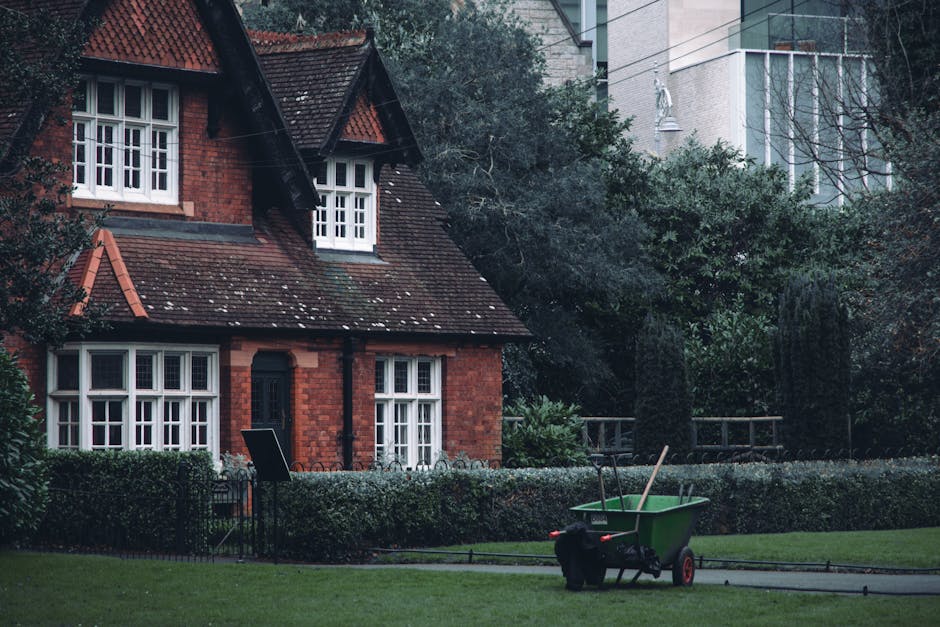
NW1 Garden Care Guide for Properties on Euston Road
If you live or manage a property on Euston Road, you already know the garden or outdoor space faces a slightly odd mix of pressures. Traffic dust, shade from tall buildings, limited access, compact plots, and the occasional weather mood swing from the sky above London - it all adds up. This NW1 garden care guide for properties on Euston Road is here to make that easier. Whether you look after a small courtyard, a shared front area, a roof terrace, or a deeper rear garden tucked behind a townhouse, the right routine can keep it tidy, resilient, and actually pleasant to use.
Good garden care in NW1 is rarely about grand landscaping gestures. Truth be told, it is usually about consistency, sensible plant choices, and knowing which tasks matter most at street level. In this guide, you will find practical steps, local considerations, and clear advice for keeping an Euston Road property looking sharp without creating unnecessary work for yourself. And yes, there is a real difference between "looks fine from the pavement" and "is healthy long term".
For broader service support, you may also find the site's services overview useful when comparing maintenance options or planning a wider garden refresh.
Why NW1 Garden Care Guide for Properties on Euston Road Matters
Euston Road sits in one of those parts of London where outdoor space has to work harder than it does in a leafy suburb. Gardens here often feel the effect of heavy footfall, nearby roads, pollution residue, reflective heat from buildings, and less forgiving microclimates. A plant that seems cheerful in a quiet courtyard may look tired after a few weeks in a wind-exposed NW1 frontage. That is not bad luck. It is context.
Garden care matters because outdoor space is part of how a property presents itself. For landlords, it influences first impressions. For homeowners, it affects daily enjoyment. For businesses or managed buildings, it can make an entrance feel orderly rather than neglected. Let's face it, a scruffy patch near the pavement can make an otherwise smart property seem uncared for.
There is also a practical side. Unmanaged growth can obscure sightlines, encourage pests, block drainage, or make access awkward. Over time, small issues become annoying jobs that cost more to sort out. A regular routine keeps the space under control before it turns into a weekend-consuming mess. That's the unglamorous truth, but it works.
If the job is getting beyond routine tidy-ups, garden maintenance support can help keep a predictable schedule in place, especially for properties that need a dependable finish rather than a one-off rescue.
How NW1 Garden Care Guide for Properties on Euston Road Works
Good garden care in this part of NW1 is usually built around a simple pattern: inspect, prioritise, maintain, and improve. It sounds basic because it is. The detail sits in how each property responds to its surroundings.
Start by understanding the garden's conditions. Is it shaded by neighbouring buildings? Does it get strong wind across open upper levels? Is the soil dry and compacted? Are there containers instead of beds? Are hedges becoming a privacy issue? These questions shape the care plan far more than a generic calendar does.
Then, break the work into categories:
- Routine upkeep such as mowing, trimming, deadheading, weeding, and sweeping.
- Health-focused care such as feeding, watering, mulching, and checking for disease or stress.
- Structure work such as hedge shaping, pruning, and managing trees safely.
- Presentation work such as clearing clutter, edging paths, and refreshing containers or borders.
On a road like Euston Road, presentation can change quickly. Dust and debris show up fast on hard surfaces, and plants in shallow beds or pots often dry out sooner than people expect. A one-off tidy is fine, but the real win comes from a rhythm that fits the property. Weekly, fortnightly, or monthly care can all be right; it depends on use, visibility, and plant density.
For taller boundaries, privacy hedging, or awkward overgrowth, it is often sensible to use a dedicated hedge trimming service so cuts stay neat and growth remains balanced rather than hacked back in a rush. That difference shows, even from the street.
Key Benefits and Practical Advantages
The benefits of consistent garden care are easy to see, but they are not only visual. In practice, a well-kept outdoor space is calmer to use, easier to manage, and less likely to generate urgent problems.
- Better kerb appeal: A tidy frontage lifts the whole property.
- Healthier planting: Regular attention helps plants recover from stress before they decline.
- Less emergency work: Small jobs stay small.
- Safer access: Pathways, steps, and entrances are easier to use when growth is controlled.
- Improved privacy: Balanced hedges and screens work better than overgrown, lopsided growth.
- More usable outdoor space: Courtyards and terraces feel larger when they are uncluttered.
There is also a cost angle. A garden that receives regular care tends to need less drastic intervention later. A bit like looking after a boiler, really: steady maintenance is usually less painful than a panic fix in winter.
If your outdoor area includes hard landscaping, decking, or seating zones, combining plant care with surface cleaning and edging can make the whole space feel intentional. Where new structure is needed, landscaping or landscape gardening can reshape the space so maintenance becomes easier, not harder.
Who This Is For and When It Makes Sense
This guide is useful for a few different types of property owners and managers. If your place sits on or near Euston Road, chances are you will recognise yourself in at least one of these.
- Homeowners with a front garden, courtyard, roof terrace, or small rear space.
- Landlords who want outdoor areas to remain presentable between tenancies.
- Letting agents and property managers handling regular upkeep.
- Businesses that rely on a neat external appearance for visitors and staff.
- Residents' associations managing shared access or communal planting.
It makes sense to act early if you notice any of the following: plants looking leggy, hedges blocking light or access, lawns thinning, weeds returning too quickly, or water pooling after rain. In London, spaces can go from manageable to awkward with surprising speed, especially in spring and early summer.
If your garden has been left for a while, do not worry. Most neglected spaces respond well to a sensible reset. A thorough garden clearance can be the clean starting point before maintenance takes over again. Sometimes you need a proper blank slate. Nothing fancy. Just a fresh start.
Step-by-Step Guidance
1. Begin with a full visual check
Walk the whole space slowly. Look for weeds, broken stems, dead leaves, blocked drains, loose edging, damaged pots, and any signs of pests or disease. Don't just glance. Kneel down if needed. You see different things from that angle, oddly enough.
2. Clear the obvious clutter first
Remove rubbish, fallen branches, dead foliage, and anything that is making the area look crowded. If the space has become heavily overgrown, deal with access routes first so the rest of the job is easier and safer.
3. Tackle the plant structure
Trim hedges, shape shrubs, remove deadwood, and cut back anything that is blocking paths or windows. Keep in mind that over-pruning can leave plants thin and stressed. A light, regular cut is usually better than a brutal one-off haircut. Plants are not fans of surprise surgery.
4. Mow or edge lawn areas where relevant
If there is turf, keep mowing consistent with the season and weather. In shaded NW1 gardens, grass can grow unevenly and remain damp for longer, so blade sharpness and cut height matter. For a tidy finish, edging often makes as much difference as the mowing itself. A neat edge makes the whole thing read as cared for, even if the lawn is modest.
5. Improve soil and container conditions
Add mulch where appropriate, refresh compost in pots, and check drainage. Container planting near busy roads can dry out quickly and may need more frequent watering than a larger enclosed garden. If your plants seem to sulk after a windy week, it is usually the environment, not your imagination.
6. Re-set the presentation
Sweep hard surfaces, clean visible debris from paths, and restore anything that looks out of place. This is the part people notice first. A clean entrance, a straight line, and a few healthy plants can transform a small space more than expensive planting ever could.
7. Create a repeatable schedule
The best garden care is the kind you can keep up. Weekly tidies for high-visibility spaces, fortnightly care for moderate-use gardens, and seasonal jobs for bigger tasks often work well. The aim is simple: no sudden chaos.
Expert Tips for Better Results
After a while, you notice patterns. The gardens that stay in good shape are not always the most expensive ones. They are the ones with a routine that suits their environment.
- Use plants that tolerate urban conditions. In exposed NW1 spots, choose resilient, low-drama planting rather than fussier species that need constant rescue.
- Keep some breathing room. Crowded planting looks lush for a week, then starts competing for light and water.
- Water deeply but sensibly. Frequent shallow watering can encourage weak roots. Better to water properly and less often when conditions allow.
- Check the hidden bits. Behind bins, beneath planters, and along side returns is where problems quietly gather.
- Match the job to the season. Spring is for resetting, summer for maintaining, autumn for clearing, winter for protection and planning.
One small but valuable habit is taking a quick photo before and after each visit or maintenance cycle. It helps you spot gradual change you might otherwise miss. It also makes it easier to decide whether the next task should be trimming, feeding, or simply leaving things alone for a bit.
For more demanding structural work, especially where hard surfaces or outdoor features are involved, it can be useful to review decking services alongside planting plans so the whole garden stays balanced rather than becoming a patchwork of mismatched finishes.
Common Mistakes to Avoid
Most garden problems on Euston Road are not dramatic. They are cumulative. A missed task here, a delayed trim there, and suddenly the space feels tired. The good news? The usual mistakes are very avoidable.
- Waiting too long to act. Small jobs become big jobs.
- Cutting back too hard. Over-pruning can leave plants weak and exposed.
- Ignoring drainage. A garden that stays wet or compacted will keep creating headaches.
- Choosing plants for looks only. If they cannot cope with the site, they will fail eventually.
- Letting hard surfaces slide. A pristine border beside a dirty path still looks unfinished.
- Skipping seasonal planning. The same routine all year rarely works in London conditions.
One mistake people make in compact urban gardens is trying to fit too much into too little space. More plants, more pots, more features. It can look impressive in the shop, then a bit chaotic three weeks later. Less, but better arranged, often wins.
If the issue is not just tidying but a real build-up of waste or abandoned material, garden clearance is usually the smarter first move before any ongoing care plan starts.
Tools, Resources and Recommendations
You do not need a van full of kit to keep an NW1 garden in shape. A focused, well-kept set of tools usually does the job better than lots of cheap extras.
| Tool or resource | Best use | Why it helps in NW1 |
|---|---|---|
| Hand shears | Light shaping and detail work | Better control in tight spaces and around planters |
| Sharp secateurs | Deadheading and small pruning cuts | Cleaner cuts reduce stress on plants |
| Rake and stiff broom | Leaf and debris clearing | Keeps paths and entrances tidy after windy spells |
| Watering can or hose with control | Targeted watering | Useful for containers and shallow beds that dry quickly |
| Mulch or compost | Soil improvement and moisture retention | Helps plants cope with urban heat and drying conditions |
| Maintenance schedule | Planning regular work | Prevents tasks from being forgotten between visits |
For ongoing support, a planned maintenance approach often makes more sense than ad hoc fixes. That is where a structured maintenance service can be a good fit, especially if the space needs regular attention but not full redesign.
It is also worth thinking about disposal and sustainability. Green waste should be handled responsibly, and reusable materials should be separated where possible. If you care about a lower-impact approach, the site's recycling and sustainability approach is worth reviewing before larger clear-outs or refreshes.
Law, Compliance, Standards, or Best Practice
For garden care around Euston Road, compliance is usually less about red tape and more about acting responsibly. Still, there are a few important considerations.
If trees or larger shrubs are involved, safety matters. Work at height, unstable branches, hidden decay, and nearby property boundaries all raise the risk level. Tree work should be approached cautiously, and serious pruning or removal is best left to people with the right experience and equipment. A service such as tree lopping and removal is relevant where a tree has become unsafe, overextended, or impractical to manage by hand.
Best practice also means respecting neighbours, access routes, and communal arrangements. Overhanging growth, dropped debris, loud work at awkward times, and blocked entrances can all create friction. In shared or managed settings, a tidy paper trail and agreed schedule can help avoid confusion. Not glamorous, but very useful.
From a safety perspective, it is sensible to use proper personal protective equipment, maintain tools, and avoid rushing when handling sharp kit or heavy waste. You should also check any property-specific rules about access, waste removal, or contractor conduct. For a general sense of how a provider handles these issues, the pages on health and safety and insurance and safety can help set expectations before work begins.
If a garden is part of a managed building or rented property, clarity on service terms, payment arrangements, and scope helps everyone. It avoids those frustrating "I thought that was included" moments. We have all seen those go sideways.
Options, Methods, or Comparison Table
There is no single right way to care for a garden on Euston Road. The best choice depends on the size of the space, how visible it is, and how quickly it changes.
| Approach | Best for | Strengths | Trade-offs |
|---|---|---|---|
| DIY routine care | Small, manageable gardens | Low cost, flexible, immediate | Can slip when life gets busy |
| Periodic professional tidy-up | Spaces that need occasional reset | Fast visible improvement | May not prevent regrowth if visits are too far apart |
| Scheduled maintenance | Front gardens, managed spaces, busy properties | Consistent, predictable, easier to budget | Requires a longer-term plan |
| Full landscaping refresh | Problem gardens or spaces with poor layout | Can improve usability and reduce future work | More involved upfront planning |
For many properties, the sweet spot is a combination: a proper reset followed by routine upkeep. If the layout itself is making care too difficult, then a more considered redesign through landscape gardening may pay off faster than repeatedly battling the same problems.
Case Study or Real-World Example
Imagine a small ground-floor property near Euston Road with a narrow front garden, one patch of lawn, a couple of shrubs, and a hedge along the boundary. It looked fine in early spring, then traffic dust, dry weather, and a few missed trims took over. By late summer, the hedge had started leaning, the lawn had thinned, and the entrance felt a bit untidy. Not terrible. Just enough to bother the residents every time they came home.
The first move was a clear-out. Fallen leaves, old stems, and general debris were removed. The hedge was trimmed back into shape, the lawn was cut with cleaner edges, and the border was thinned so air could move through properly. A little compost and mulch went in, and the watering routine changed from "whenever someone remembers" to something more reliable. Very technical, that. But effective.
Two months later, the space looked calmer. Not flashy. Calmer. That was the point. The property felt better maintained, the entrance read as intentional, and the owners stopped feeling like they were constantly catching up.
If the same property had been left much longer, it might have needed a much more disruptive intervention. That is why regularity matters so much in dense London settings.
Practical Checklist
Use this as a quick reference before and after maintenance visits.
- Check the space from the pavement or entrance first.
- Remove litter, dead foliage, and obvious debris.
- Inspect hedges, shrubs, and any trees for overgrowth or damage.
- Trim back growth that blocks paths, windows, or access.
- Mow or edge the lawn if there is one.
- Water containers and dry beds if conditions require it.
- Refresh mulch or compost where the soil looks tired.
- Sweep paths, steps, decking, and hard surfaces.
- Look for signs of pests, disease, or drainage problems.
- Set the next maintenance date before you forget. Easy to say, easy to forget.
Quick expert summary: in NW1, the best garden care is usually the least dramatic version of the job done consistently. Keep growth under control, protect the health of the plants, and make sure the space still suits the property. That's the formula. Simple, but not always easy.
If you are planning a larger refresh or want a more reliable schedule, compare your options and then speak with a local team through the main contact page when you are ready to discuss what your property actually needs.
Conclusion
A good NW1 garden care guide for properties on Euston Road should do more than tell you to "keep it tidy". It should help you understand the pressures of the location, the practical routines that actually work, and the difference between a space that simply survives and one that feels cared for. On a busy London road, small consistent actions go a long way.
Start with the basics, build a routine that fits the property, and do not be afraid to reset the space when it gets away from you. Most gardens do not need perfection. They need attention, timing, and a bit of common sense. That, honestly, gets you a long way.
Get a free quote today and see how much you can save.
And if you are still weighing up who to trust, learn more about the team on the about us page and see whether their approach feels like the right fit for your property.
Frequently Asked Questions
What is the best garden care routine for a property on Euston Road?
The best routine is a regular one: inspect, clear, trim, water where needed, and tidy hard surfaces. In NW1, shorter, more frequent visits usually work better than occasional big jobs.
How often should an Euston Road garden be maintained?
That depends on the size and visibility of the space, but many properties benefit from weekly or fortnightly attention during the growing season and lighter seasonal work in quieter months.
Do small courtyard gardens need professional maintenance?
Often they do, especially if the layout is tight, the planting is dense, or access is awkward. Small spaces can look manageable while quietly building up a lot of work.
What makes NW1 garden care different from other London areas?
Traffic exposure, limited space, shade from surrounding buildings, and wind tunnels between properties can all affect plant health and appearance. The care plan needs to match those conditions.
Is garden clearance necessary before maintenance starts?
If the garden is heavily overgrown or cluttered, yes, a clearance first is usually the sensible move. It creates a proper baseline so ongoing care is effective.
Can a lawn survive well near Euston Road?
Yes, but it may need more attention than a rural lawn. Shade, compacted soil, dry spots, and dust can all affect turf, so mowing height and watering habits matter.
When should hedges be trimmed in NW1?
Hedges are usually best trimmed during active growth periods with care not to overcut. The exact timing depends on the plant type and how fast it grows, so a light, regular approach is safer than waiting too long.
What should I do if trees are getting too large for the space?
If branches are overhanging, blocking light, or creating risk, it is worth getting the tree assessed. Larger tree work can involve safety concerns, so cautious handling matters.
How can I keep a garden looking good with limited time?
Focus on the visible basics: edges, entrances, weeds, dead material, and a few healthy plants. A space looks cared for when the obvious things are under control.
What services are most useful for busy property owners?
Regular maintenance, hedge trimming, lawn mowing, clearance, and occasional landscaping are often the most helpful. The right mix depends on whether the space needs upkeep, repair, or a redesign.
Are there any safety issues to think about with garden care?
Yes. Sharp tools, unstable branches, uneven ground, and slippery surfaces can all create risk. That is why safe working practices and proper insurance are worth checking before larger jobs.
How do I know whether to maintain or redesign the space?
If the garden is healthy but untidy, maintenance is usually enough. If the layout itself makes care difficult, a redesign may save time and effort in the long run.